High Altiplanos of the Dolomites: Living with Limestone
By Helena Aris • Published June 2025 • 11 Min Read
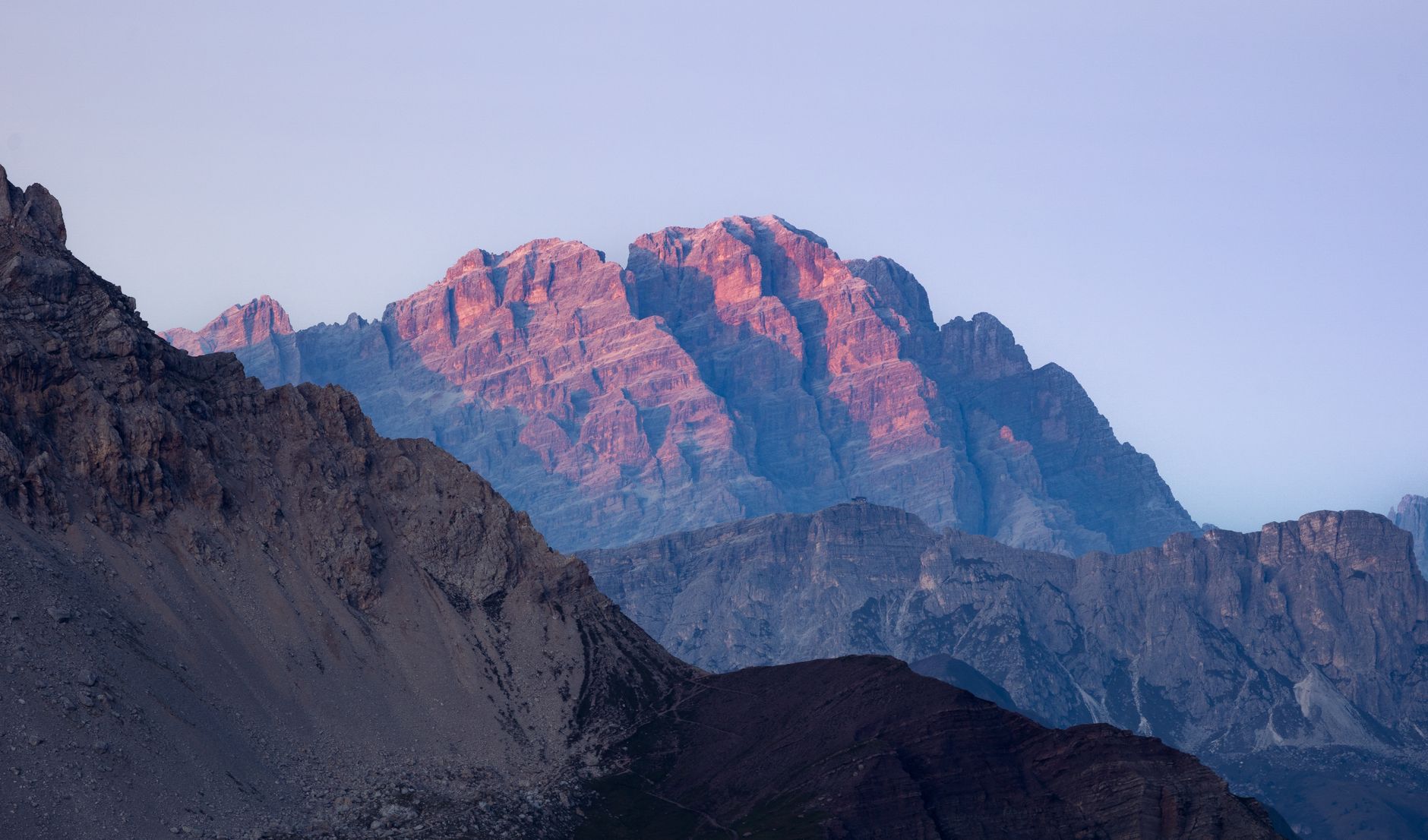
When the sun dips below the jagged tooth-line of the Sella massif, the mineral faces of the Dolomites catch fire. The phenomenon, termed enrosadira by Ladin speakers, stains miles of sheer calcium carbonate in hues of burnt ochre, rose, and amber.
For centuries, these vertical bastions separated communities into tight linguistic enclaves. Today, traveling through the higher pastures reveals an enduring dialogue between rugged geological fragility and refined alpine farming.
The High Pasture Refuge
Unlike standard hotels, the mountain rifugio is an institution of mutual survival. Perched at 2,400 meters where winter temperatures freeze timber pipes solid, these shelters welcome hikers with warm polenta, aged speck, and shared timber dormitories.
"Above the treeline, status dissolves. Everyone carries their own boots, their own fatigue, and their own reverence for the weather."
We spent four days walking between high ridges with only small canvas rucksacks. Out on the scree trails, the silence is punctuated solely by the shrill warning whistle of alpine marmots and the distant clink of cowbells drifting up from sunlit ravines.
Sustainable Mountain Transit
The delicate soil of alpine meadows cannot sustain unchecked vehicular traffic. Modern travelers are strongly urged to rely on regional electric mountain rail systems and high-altitude cable transfers, walking the remainder on designated marked footways.